

Safety Tips for WA Runners When Encountering Aggressive Dogs
I’ve said it numerous times. We don’t deserve dogs. Their mission, rooted in a deep love, is to protect the humans they care about. When I run by homes with a dog in the yard, I know why they bark and why some seem aggressive behind the fence.
Almost half the time, a barking dog’s harsh tone lessens when I cheerfully greet it. “Hello, good morning. It's so good to see you.”
Sometimes my cheerful greeting doesn’t seem to lessen the alarm in the dog, and I’m glad there's a fence between me and them.
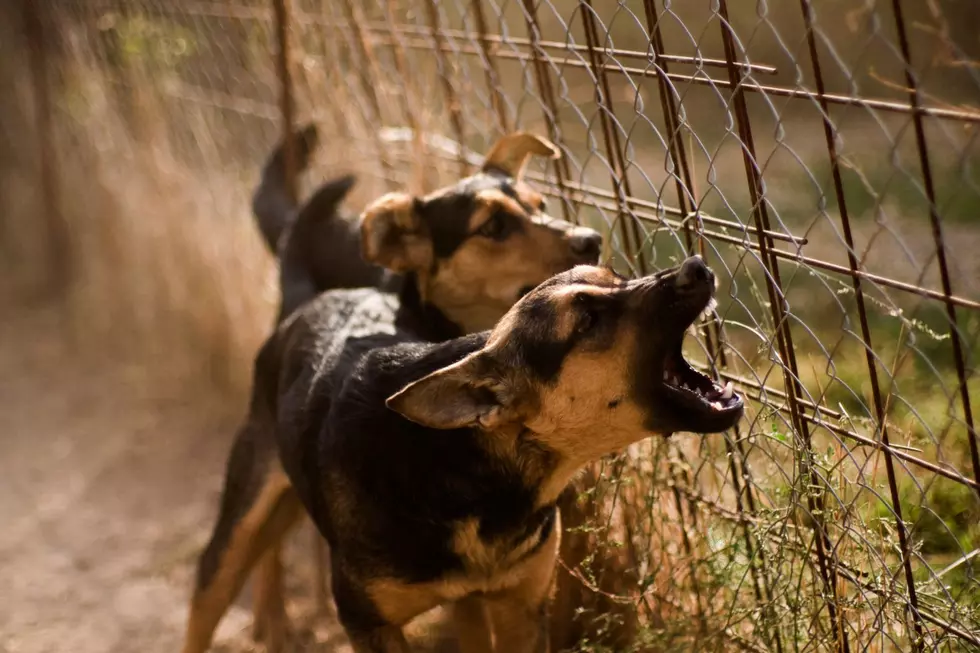
What if an aggressive dog comes charging my way on my run?
Here are some practical tips to protect yourself from dogs while running, based on advice from running and veterinary experts. These tips focus on prevention, de-escalation, and self-defense without promoting harm to animals.
Stay aware of your surroundings: Make sure you know what's around you. Keep an eye out for dogs ahead, especially off-leash ones. Avoid wearing headphones/earbuds or turn the volume down low so you can hear approaching threats. I usually avoid roads and rural backgrounds if I know an aggressive dog will come at me like a cruise missile.
Stop running if a dog approaches aggressively: Continuing to run can trigger a dog’s chase instinct. Experts advise slowing down, walking, or stopping altogether to demonstrate that you're not a threat or prey.
Project calm and stand your ground: Use a deep, firm voice to say commands like "No," "Go home," "Stop," or "Back" to assert control without yelling. Experts further advise you to turn sideways, fold your arms across your chest and neck, and avoid direct eye contact, which dogs will take as a clear challenge.

Avoid provocative actions: Don't shriek, and don’t flail your arms. Also, refrain from squatting down, making squeaking noises, or behaving aggressively. An example of aggressive behavior is kicking, which can escalate the situation. Also, don't turn your back or make sudden movements; back away slowly at an angle once the dog calms.
Carry deterrents for protection: Consider items like pepper spray designed for joggers (with a strap or clip), a whistle, an air horn, a personal alarm, or even treats to throw as a distraction. A spray bottle with water or a hiking stick can also help without causing lasting harm.
If you're attacked, protect yourself: Put an object (like a water bottle, jacket, or shirt) between you and the dog for it to bite instead. If knocked down, curl into a ball face down, cover your head and neck with your arms, and stay still until the dog loses interest. This is important: don’t use pepper spray if the dog is already biting, as it might worsen the situation.

After an incident: Report aggressive dogs or owners to local authorities, even if no bite occurred. For bites, clean the wound, seek medical help if needed, and monitor for infection.
Check out these 50 fascinating facts about dogs:
Gallery Credit: Linda Lombardi
Best Practices Before Bringing Home A Shelter Dog
Gallery Credit: Dani
Seven Popular Foods That Can Poison and Kill Your Dog
More From KW3


